
Adventure Travel for Beginners: What to Try and Where
Adventure travel for beginners is an exciting invitation to push boundaries, see the world differently, and grow through new challenges. If you’re curious but cautious, this guide breaks down approachable ways to start, useful planning tips, and suggested destinations that match a variety of comfort levels. Whether you dream of day hikes with jaw-dropping views or three-day rafting trips that test your nerves, there’s a first adventure that fits you. This article balances inspiration with practical advice so you can get started without feeling overwhelmed. Read on for activity ideas, safety considerations, budget tips, recommended providers, and examples you can use to plan your first trip. By the end you’ll have clear next steps and a handful of destinations to research further. Let’s make your first adventure smart, memorable, and fun.
Adventure Travel for Beginners: How to Start
Begin by defining what “adventure” means to you, because it varies widely from gentle wildlife walks to multiday mountain treks. Start small if you’re unsure. Day trips, guided tours, and short overnight excursions give you a taste without huge commitments. Assess your fitness honestly and pick activities that match your current stamina while leaving room to improve. Research local operators and reviews to find guides who prioritize safety and positive experiences for newcomers. Pack deliberately: layers, good footwear, a simple first aid kit, and any prescribed medications are essentials that keep a trip pleasant. Buy travel insurance that covers the activities you plan to do, and make sure you understand cancellation and medical evacuation policies. Finally, tell someone your itinerary and expected return times for added safety and peace of mind.
Types of Adventure Experiences to Try
There are many styles of adventure travel, and choosing the right one helps you build confidence quickly. Think in categories: land-based adventures like hiking and canyoning, water-based options like kayaking and snorkeling, and active cultural blends like cycling tours through wine regions or mountain villages. Guided group trips are a great introduction because leaders handle logistics and training while you focus on experiencing the moment. Self-guided options suit people who like independent exploration but still want a clear route and support resources. Consider seasonality too—some destinations shine in shoulder seasons when crowds thin and weather is stable. Pick activities that excite you; enthusiasm makes the learning curve enjoyable. Use trial runs near home to build skills before committing to remote or multi-day trips.
Hiking and Trekking: Easy to Moderate Options
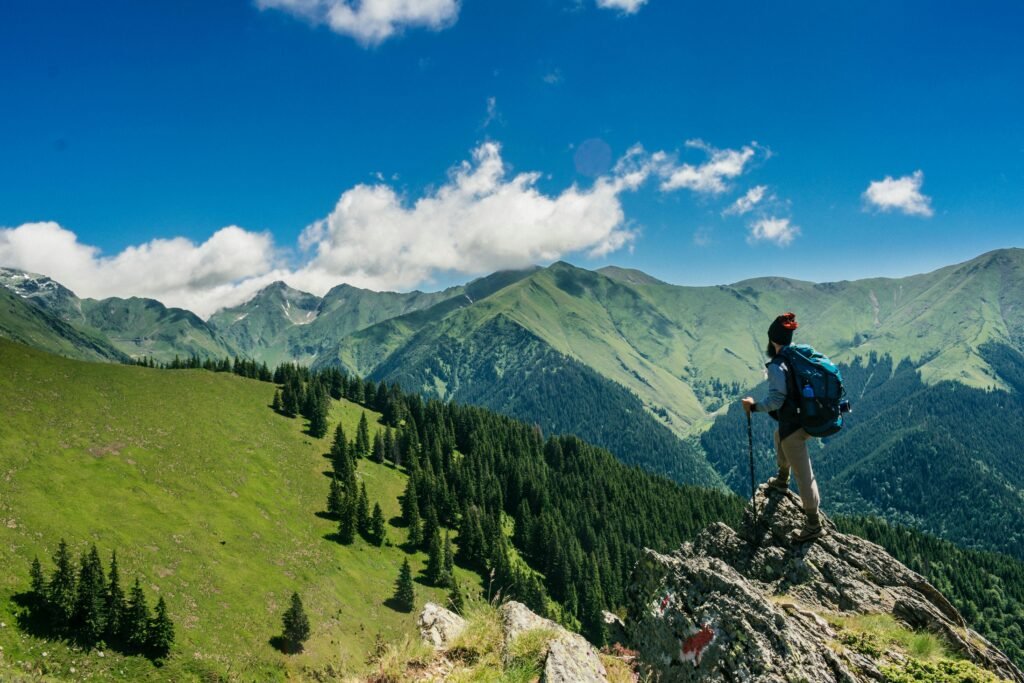
Hiking is one of the most accessible ways into adventure travel because trails exist at every difficulty level and in nearly every country. Start with well-marked day hikes to practice navigation, pacing, and packing light before stepping up to overnight or multi-day treks. Choose destinations with good infrastructure and guide options for your first long hike, so you can focus on the experience rather than logistics. Learn basic trail skills—map reading, putting on layers, foot care, and simple campsite etiquette—so you avoid common beginner pitfalls like blisters or poor weather choices. Invest in a solid pair of hiking boots and a comfortable daypack; equipment that fits reduces fatigue and increases enjoyment. Keep hydration and nutrition simple and familiar on your body to avoid unpleasant surprises. Finally, build stamina with short local hikes and cross-training to make longer walks feel manageable and fun.
Kayaking, Rafting, and Water-Based Adventures
Water adventures offer a different kind of thrill and can be surprisingly beginner-friendly with the right guide and conditions. Sea kayaking on calm bays, guided river floats, and snorkeling trips with shallow reefs are excellent first steps because they rely on instructor-led safety and basic technique. Choose tours that explicitly cater to beginners and supply quality safety gear like life jackets and helmets. Attend the safety briefings, ask questions about currents and weather, and start in calm waters to build confidence. If you want a bigger challenge later, progress to multi-day kayak trips or white-water rafting graded at an appropriate level. Pack waterproof layers and protect electronics with dry bags so small splashes don’t turn into big problems. Learning to read the water and working with your team are both rewarding skills that transfer to many other activities.
Cycling and Active Cultural Adventures
Cycling tours are a superb option for learners who want movement plus culture—think gentle countryside rides, vineyard routes, and coastal paths. Many companies offer e-bike options that help with hills and distance, opening routes to a broader range of fitness levels. Guided cycling trips give you mechanical backup, pace groups, and planned stops so you can focus on scenery and local food rather than logistics. If you prefer independent travel, look for well-signposted routes and luggage transfer services so your day focuses on riding, not carrying gear. Practice bike handling and basic repairs before you travel, and always carry a puncture kit and multi-tool. Respect local traffic rules, wear a helmet when required, and keep a steady pace—cycling adventures are as much about enjoyment as endurance. These trips blend exercise, exploration, and local interactions for a satisfying introduction to adventure travel.
When you’re ready to book a guided experience or browse beginner-friendly adventures around the world, reputable platforms make comparison and booking straightforward. Check out Viator to learn more. Viator aggregates day trips, multi-day excursions, and guided activities across many destinations and often highlights options tailored to first-timers. Look for filters that let you search by activity level, duration, and traveler reviews so you can quickly find what matches your comfort and schedule. Booking through an established platform also gives you easier cancellation policies and documented reviews to vet providers. Use the platform to compare itineraries, see sample itineraries, and check what’s included so you won’t miss essentials like transfers or equipment. Remember to read recent reviews and reach out to the operator with questions about accessibility, group size, and departure logistics. Using a trusted marketplace reduces friction and increases your chance of a smooth, enjoyable first adventure.
Where to Go: Beginner-Friendly Destinations
Choosing the right location amplifies the enjoyment of your first adventures by matching terrain, weather, and services to your experience level. Costa Rica is a perennial favorite: its short distances, abundant guide services, and varied activities—rainforest hikes, gentle white-water, and coastal snorkeling—make it easy to mix and match. Portugal’s Azores offer dramatic volcanic landscapes and coastal hikes with good infrastructure and mild weather. For scenery and comfort, New Zealand’s well-maintained tracks and friendly tourism network support beginners through day hikes and scenic drives. If you want cultural immersion plus accessible trekking, consider Nepal’s shorter trails in the Annapurna foothills or Morocco’s Atlas Mountain day hikes with local guides. The Canadian Rockies and Scotland’s Highlands are also excellent for structured hikes and accessible mountain experiences. Whatever you pick, prioritize destinations with reliable guiding services, clear trail info, and convenient transport to trailheads.
Safety, Budget, and Eco-Conscious Tips
Safety and sustainability should be part of your adventure checklist from the start because they make your trip safer and more rewarding for locals and the environment. Always check weather windows, trail conditions, and seasonal risks like monsoon rains or high tides, local guides can offer current insights you won’t find in older guidebooks. Budget realistically: include guide fees, permits, equipment rentals, travel insurance, and an emergency buffer. Pack for layered comfort and bring reusable items—water bottle, utensil kit, and a lightweight tote, to reduce single-use waste on the trail. Choose operators who commit to responsible tourism practices, such as hiring local staff, following leave-no-trace principles, and supporting conservation fees when required. Keep an eye on acclimatization for higher-altitude trips and consult a travel clinic about vaccines or altitude sickness precautions if relevant. Finally, be flexible: the best adventures sometimes come from small detours, weather windows, or a friendly local suggestion.
Conclusion
Starting with adventure travel for beginners means balancing curiosity with good planning so your first few trips build confidence and appetite for more. Pick activities and destinations that match your fitness and tolerance, use reputable guides or platforms, and practice basic skills at home before you go. Follow safety and eco-conscious practices to protect yourself and the places you visit, and keep a flexible attitude so unexpected moments become memorable highlights. If you’re ready to try something new, begin with short, guided experiences and scale up as your skills and confidence grow. Revisit this blog for gear checklists, destination deep dives, and trip-planning templates as you prepare your next outing. Adventure travel for beginners is a doorway to lifelong exploration—step through it deliberately, and you’ll return with stories and the confidence to plan bolder journeys.




Leave a Reply