Understanding the Digital Nomad Lifestyle
The digital nomad lifestyle is a unique blend of work and travel that has gained popularity in recent years, fueled by advancements in technology and remote working opportunities. Digital nomads are individuals who leverage their careers to travel the world, often working from various locations that inspire or rejuvenate their creativity. This lifestyle provides a level of freedom that traditional office environments typically do not offer, allowing for flexible work hours and the ability to explore new cultures.
While the flexibility of being a digital nomad is appealing, it also presents certain challenges. One of the main difficulties is maintaining productivity in unfamiliar settings. For many, the allure of a new location can sometimes lead to distractions that hinder work efficiency. Therefore, finding the right balance between exploration and work is crucial for digital nomads. They must learn to adapt to different environments, ensuring that they can be both productive and engaged in their adventures.
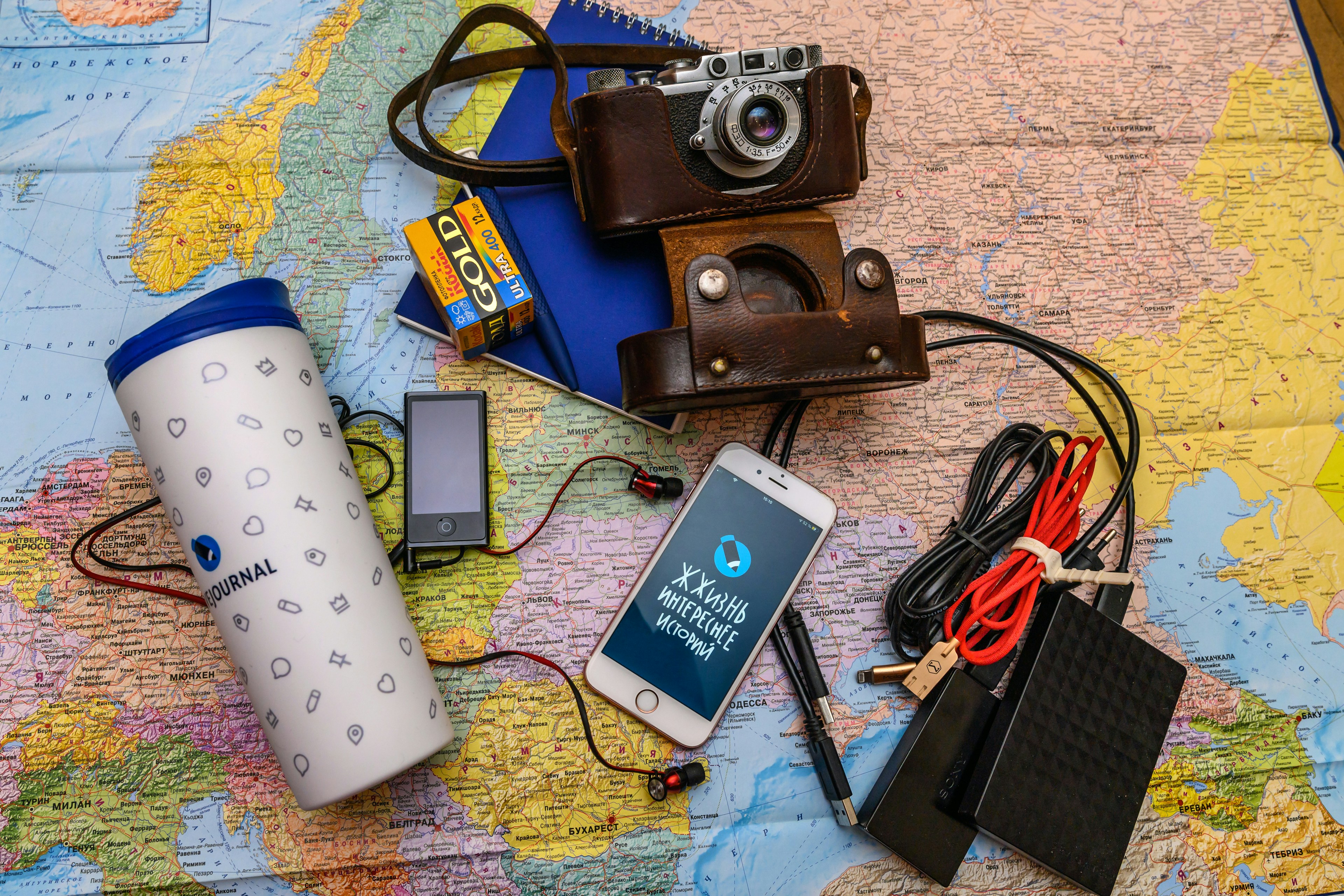
A key aspect of thriving as a digital nomad is efficient packing. When traveling frequently, the need for effective, portable travel gear becomes paramount. This includes selecting tools that enhance productivity and comfort, allowing digital nomads to work seamlessly regardless of their location. Essential items may include lightweight laptops, portable chargers, noise-canceling headphones, and versatile clothing that suits various climates. Investing in high-quality travel gear is crucial, as it can significantly impact one’s ability to work efficiently while on the go.
Overall, understanding the digital nomad lifestyle involves appreciating the freedom it offers, while also recognizing the necessity of staying organized and prepared for the unique challenges it presents. By choosing the right travel gear, individuals can navigate their journeys effectively, ensuring that both work and leisure can coexist harmoniously.
Essential Packing Tips for Digital Nomads
Packing efficiently is critical for digital nomads who often find themselves transitioning between different locations while needing to maintain a functional workspace. One of the first steps to effective packing is creating a comprehensive packing list. This list should include not only the essentials such as clothing and toiletries but also important travel gear like laptops, chargers, and portable Wi-Fi devices. By detailing everything you require, it helps avoid the last-minute scramble and ensures you don’t forget vital items.
Another significant strategy is prioritizing multi-functional items. As a digital nomad, choosing gear that serves several purposes can dramatically reduce clutter and make your packing more streamlined. For example, a lightweight laptop bag that can be transformed into a backpack enables easier mobility while ensuring you have a functional workspace wherever you are. Consider packing versatile clothing as well, such as items that can be worn in a professional setting or during leisure activities, to further maximize luggage space.
To minimize clutter, also assess and eliminate any non-essential items prior to travel. This involves critically thinking about what can be left behind and what is truly necessary for both work and leisure. A common technique is the “one in, one out” principle, which encourages nomads to remove an item from their bag every time they add a new one. Additionally, selecting the right travel bags can enhance your packing experience. Opt for lightweight yet durable options with ample compartments for organization, ensuring that you can easily access your gear without rummaging through everything.
By implementing these packing strategies, digital nomads can travel more efficiently, allowing them to focus on their work and experiences, rather than the logistics of their travel gear. With careful planning and intentional choices, packing can become a seamless aspect of the digital nomad lifestyle.
The Ultimate Travel Backpack: Features to Look For
For digital nomads who frequently traverse varied landscapes and climates, selecting the right travel backpack is crucial. A well-designed travel backpack should ideally combine comfort, durability, organization, and tech storage to cater to the specific needs of modern travelers. The first essential feature is comfort; a good travel backpack should come with padded shoulder straps, a breathable mesh back panel, and an ergonomic design. These attributes ensure that the backpack is comfortable to wear for extended periods, minimizing strain on the back and shoulders.
Durability is the next critical consideration. A travel backpack must withstand the rigors of travel, which entails exposure to different weather conditions and physical wear and tear. Look for materials such as high-denier nylon or polyester, reinforced stitching, and water-resistant coatings. These features not only extend the lifespan of the backpack but also protect your belongings from moisture and damage.
Organization plays a significant role in a travel backpack’s functionality. Well-structured compartments allow for a systematic arrangement of items, making it easier to access your belongings without rummaging through the entire bag. Pockets specifically designed for tech devices—such as laptops and tablets—along with additional pouches for smaller items like chargers or travel documents, enhance usability significantly.
When considering brands known for their exceptional travel backpacks, options like Osprey, Nomatic, and North Face have garnered positive reviews from digital nomads. These brands offer various styles tailored to different types of travel, ensuring you can find a backpack that meets your unique needs. Investing in a high-quality travel backpack designed with these features can greatly improve the efficiency of your travels, making your digital nomad lifestyle more enjoyable.
Tech Gear: Must-Have Gadgets for Remote Work
For digital nomads navigating the world while working remotely, the right tech gear is crucial for maintaining productivity and connectivity. At the heart of any remote work setup is a reliable laptop. Opting for a lightweight model equipped with sufficient processing power and battery life will ensure you are able to carry out tasks efficiently, whether in a bustling café or a serene co-working space. Additionally, consider investing in a protective case or sleeve to safeguard your laptop from the rigors of travel.
Complementing your laptop, portable chargers become indispensable, particularly when working from locations where power outlets are scarce. A high-capacity power bank can extend your device’s uptime, allowing you to remain productive during long travel days or in remote locations. Look for chargers with multiple output ports to maximize their utility across various devices including smartphones and tablets.
Headphones also play a vital role for digital nomads seeking focused work periods in potentially distracting environments. Noise-canceling headphones can significantly enhance your ability to concentrate, helping to immerse you in your tasks. Furthermore, with the increased reliance on video conferencing, a quality headset equipped with a built-in microphone is essential for clear communication with colleagues and clients.
Lastly, portable Wi-Fi devices are invaluable for ensuring constant internet access. A mobile hotspot provides a secure connection for all your gadgets, which is particularly beneficial when traveling in areas with unreliable public Wi-Fi. Ensuring that your tech gear is protected with anti-virus software and using two-factor authentication can further safeguard your digital assets while on the move. With careful selection and attention to security, these must-have gadgets will empower you to work effectively from virtually anywhere in the world.
Clothing Essentials: Versatile and Lightweight Fashion
Packing efficiently is a critical skill for digital nomads, and one of the most important components of effective packing is selecting versatile and lightweight clothing. When traveling, it is essential to consider garments that can serve multiple purposes and adapt to various circumstances. This approach not only lightens the load but also enhances the ease of managing wardrobe choices in diverse climates and settings.
To begin with, choosing the right fabrics can significantly influence your overall packing experience. Opting for travel-friendly materials such as merino wool, moisture-wicking synthetics, and quick-drying blends can make a considerable difference. Merino wool, for instance, is known for its breathable and odor-resistant properties, making it ideal for both hot and cold climates. Additionally, moisture-wicking fabrics help maintain comfort during physical activities, ensuring that you remain dry and comfortable throughout your adventures.
Another essential aspect of packing for life on the road involves outfit planning. A well-planned wardrobe, consisting of neutral colors and adaptable styles, allows for seamless mixing and matching, thus creating various looks with fewer pieces. For example, a lightweight dress can transition effortlessly from a casual day outfit to an elegant evening ensemble with the addition of accessories. Furthermore, layering is an effective strategy for adapting to changing temperatures—inclusion of a lightweight jacket or a versatile scarf can provide both warmth and a chic touch.
Finally, packing light encourages mindful consumption. Emphasizing quality over quantity when selecting clothing pieces will ultimately lead to a more manageable and stylish travel experience. By focusing on versatile, lightweight, and functional clothing, digital nomads can enhance their journey, allowing them to immerse themselves in new cultures without the burden of excessive luggage.
Health and Wellness: Packing for Your Wellbeing
For digital nomads, maintaining health and wellness while traveling is crucial for sustaining productivity and ensuring an enjoyable experience. Packing with a focus on health can significantly enhance your travels, prompting you to select items that support both physical and mental wellbeing. One essential item to include in your travel gear is a reusable water bottle. Staying hydrated is vital, and having a high-quality, insulated water bottle not only helps you maintain your fluid intake but also reduces reliance on single-use plastic. Choosing a bottle that fits well in your bag can also encourage you to keep hydrated on the go.
In addition to hydration, a travel health kit is indispensable for addressing minor health concerns that may arise during your adventures. This kit should include items such as basic first-aid supplies, over-the-counter medications, and any personal prescriptions to mitigate discomfort from common ailments. Consider including items that cater specifically to your needs, such as allergy medications or digestive aids, ensuring convenience and peace of mind while exploring new environments.
For those who prioritize physical fitness, packing portable fitness equipment can help you maintain your exercise routine despite being on the road. Resistance bands, a compact yoga mat, or a jump rope can easily fit in your luggage, offering versatility for various workout routines. Furthermore, incorporating short workouts or stretches into your daily schedule can help combat the sedentary lifestyle that often accompanies travel.
Additionally, ensuring mental wellness is equally important. Finding time for relaxation and mindfulness practices is essential. Consider packing a journal, meditation app, or even adult coloring books to foster creativity and promote tranquility. By incorporating these small, wellness-oriented items into your travel gear, you can cultivate a balanced lifestyle that allows you to thrive as a digital nomad.
Document Organization: Keeping Your Information Secure
For digital nomads, maintaining a well-structured system for organizing important documents is crucial for secure and efficient travel. Whether you are transitioning from one location to another or managing multifaceted travel plans, having both digital and physical copies of essential documents acts as a safeguard against unforeseen events, such as loss or theft.
To begin with, categorize your important documents, which may include identification, passports, travel itineraries, accommodation confirmations, and any necessary visas. It is advisable to store digital copies of these documents in a secure cloud storage solution, such as Google Drive, Dropbox, or iCloud. Ensure that you enable two-factor authentication on these accounts to bolster security. In addition, physical copies should be easily accessible yet securely stored, possibly in a travel wallet or a dedicated folder within your carry-on luggage.
Implementing a well-structured naming convention for your files will further facilitate easy retrieval when needed. For example, use clear labels such as “Passport_Scan_John_Doe” and “Travel_Insurance_Policy” for quick identification. Furthermore, it is prudent to regularly back up your digital documents, especially before embarking on a new journey.
Consider utilizing mobile applications designed to aid in document organization. Apps like Evernote, Adobe Scan, or CamScanner not only help store digital documents but also offer features for annotating and managing information efficiently. These travel apps enhance document protection by allowing you to set permissions and share specific files securely, minimizing the risk of data breaches.
Ultimately, prioritizing the organization of both digital and physical documents will enable you to navigate your travels with confidence, ensuring that you have access to critical information when it matters most. Taking proactive steps in document management is essential for every digital nomad aiming for seamless travel experiences.
Budgeting for Travel Gear: Cost-Effective Choices
For digital nomads, effective budgeting for travel gear is essential to ensure a seamless journey while minimizing expenses. The key is to make informed decisions that balance both quality and cost. One of the most practical approaches is to consider purchasing second-hand items. Many travelers sell their gear after returning home, allowing you to acquire quality equipment at a fraction of the retail price. Online marketplaces and local buy-and-sell groups can be excellent resources for finding gently used gear that fits your needs and budget.
Renting gear can also prove to be a strategic financial choice. Depending on the length of your travels, obtaining tech equipment, like cameras or laptops, through rental services can save you substantial amounts of money that would otherwise be spent on purchase. This approach not only helps manage costs but also provides access to the latest gear without any long-term commitment. Be sure to research rental agencies with good reputations to avoid any unpleasant surprises.
Identifying deals and discounts is another valuable tip. Many manufacturers offer sales during holiday seasons, or you can subscribe to newsletters from your favorite brands to receive notifications about special offers. Utilizing social media and scanning for promo codes before making a purchase can yield attractive discounts. Moreover, leveraging cashback programs can provide additional savings on your travel gear investments.
Prioritizing essential gear and investing in versatile, multi-purpose items can also help streamline your budget. Selecting products that serve multiple functions allows you to reduce the amount of equipment needed while ensuring that you are well-equipped for diverse situations. By employing these strategies, digital nomads can effectively budget for travel gear without compromising on the quality necessary for an enjoyable journey.
Personalization: Tailoring Your Gear to Your Needs
For digital nomads, the right travel gear extends beyond mere functionality; it must also align with personal preferences, work habits, and overall lifestyle. Personalization plays a crucial role in enhancing one’s efficiency and comfort while navigating various environments. To achieve this, it is essential to first assess your workflow, identifying the tools and resources that are indispensable for your daily tasks.
Understanding your specific needs begins with evaluating the type of work you do and the tools that support your productivity. For instance, if video editing or graphic design forms a significant part of your daily activities, investing in a lightweight, high-performance laptop with a robust graphic card may be paramount. On the other hand, a writer might prioritize a comfortable keyboard and durable typing surface. Recognizing these details enables nomads to curate a tailored collection of gear that enhances their workflow rather than hinders it.
In addition to functional aspects, consider your travel habits. Frequent transitions from a bustling café to serene co-working spaces can impact the choice of backpacks, luggage, and tech accessories. Opting for versatile, stylish bags that integrate seamlessly into both professional and casual settings can foster a more efficient packing experience. Furthermore, selecting items with organizational features, such as compartments for tech gadgets and documents, can significantly reduce the time spent searching for essentials.
Ultimately, personalization encourages digital nomads to adapt their packing strategies to their unique lifestyles. Allowing your preferences and habits to lead the customization process ensures that your travel gear not only meets basic requirements but also enhances your overall nomadic experience. Tailored travel gear ensures that every aspect of your toolkit supports your journey, fostering productivity and comfort in varied settings.



Leave a Reply